The iPhone 17 series has officially been released, and this year’s lineup has seen some major developments. The biggest change to note is the iPhone Plus model has been replaced with the iPhone Air, Apple’s new ultra-thin model with a Pro-level processor.
The other models in the iPhone 17 series have received minor improvements across the board, but no complete redesigns. Every phone has received the Center Stage front camera with an 18MP lens. The base model iPhone 17 has also received an updated display and processor, while the 17 Pro models have received an updated aluminum frame, new 48MP fusion telephoto camera, and a larger battery.
Most customers will be served well by the iPhone 17. That said, there are not many improvements over last year’s iPhone 16, so we strongly recommend customers consider that device instead if in need of an upgrade. Plus, the iPhone 16 received a $100 discount, making it a great deal.
The iPhone Air and 17 Pro models are best for customers who need more processing power or premium camera features. Otherwise, we don’t think they’re worth the higher price tag.
Let’s dig into the differences between the iPhone 17 series and the iPhone Air to figure out which device is best for your needs.
iPhone 17 models comparison
iPhone 17 vs. iPhone Air vs. 17 Pro vs. 17 Pro Max
| iPhone 17 | iPhone Air | iPhone 17 Pro | iPhone 17 Pro Max | |
|---|---|---|---|---|
| Starting price | $799 | $999 | $1,099 | $1,199 |
| Display | 6.3” 120Hz |
6.5” 120Hz |
6.3” 120Hz |
6.9” 120Hz |
| Processor | A19 | A19 Pro | A19 Pro | A19 Pro |
| Main cameras | 48MP main 48MP ultrawide 2x optical zoom |
48MP main 2x optical zoom |
48MP main 48MP ultrawide 48MP telephoto 8x optical zoom |
48MP main 48MP ultrawide 48MP telephoto 8x optical zoom |
| Selfie camera | 18MP Center Stage | 18MP Center Stage | 18MP Center Stage | 18MP Center Stage |
| Storage | 256GB 512GB |
256GB 512GB 1TB |
256GB 512GB 1TB |
256GB 512GB 1TB 2TB |
| Colors | Lavender Sage Mist Blue White Black |
Sky Blue Light Gold Cloud White Space Black |
Cosmic Orange Deep Blue Silver |
Cosmic Orange Deep Blue Silver |
| Battery capacity | Up to 30 hours video playback | Up to 27 hours video playback | Up to 33 hours video playback | Up to 39 hours video playback |
| Learn more | View details | View details | View details | View details |
iPhone 17 series pricing
Price is one of the most important factors for people selecting a new iPhone. The good news is, prices stayed the same for the base model iPhone 17 and 17 Pro Max. Unfortunately, prices increased for the 17 Pro. This year also saw the introduction of the iPhone Air to replace the Plus model iPhone.
The iPhone 17 series pricing looks like this:
- iPhone 17: From $799
- iPhone Air: From $999
- iPhone 17 Pro: From $1,099
- iPhone 17 Pro Max: From $1,199
The price of each model goes up depending on what storage allotment you choose. Here’s the full pricing structure for the iPhone 17 series:
iPhone 17 series pricing
| Storage | Price | ||
|---|---|---|---|
| iPhone 17 | 256GB 512GB |
$799 $999 |
|
| iPhone Air | 256GB 512GB 1TB |
$999 $1,199 $1,399 |
|
| iPhone 17 Pro | 256GB 512GB 1TB |
$1,099 $1,299 $1,499 |
|
| iPhone 17 Pro Max | 256GB 512GB 1TB 2TB |
$1,199 $1,399 $1,599 $1,999 |
iPhone 17 design and display
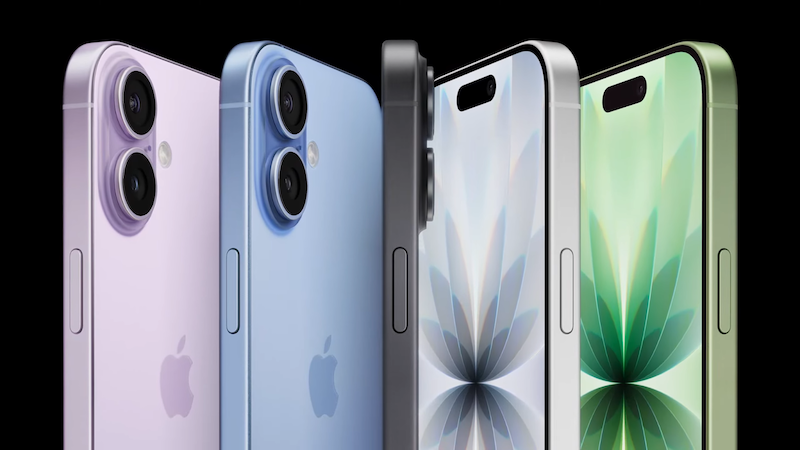
Image: Apple
The base model iPhone 17's display is 6.3-inches, and the device offers the same Action button, Camera Control button, and dual-camera design as previous models. The display itself has a significant upgrade, now with adaptive refresh rates up to 120Hz like the Pro models and a peak brightness of 3,000 nits when outdoors.
The iPhone 17 comes in five colors:
- Lavender
- Sage
- Mist Blue
- White
- Black
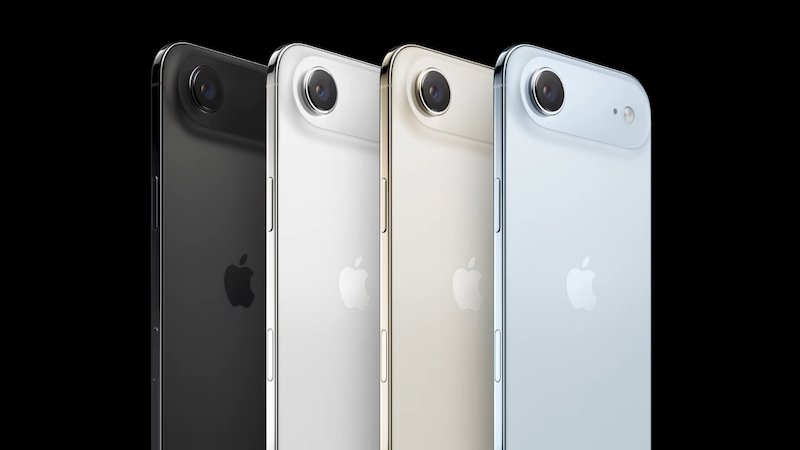
Image: Apple
The iPhone Air is the newest Apple device and a replacement for the iPhone Plus model.
It's one of the thinnest iPhones ever developed with a 5.6mm width (not counting the camera bump). It offers a large 6.5-inch display with a 120Hz adaptive refresh rate. While it does include the Action and Camera Control button, the device’s thinness means it only offers one camera lens.
The iPhone Air comes in four colors:
- Sky Blue
- Light Gold
- Cloud White
- Space Black
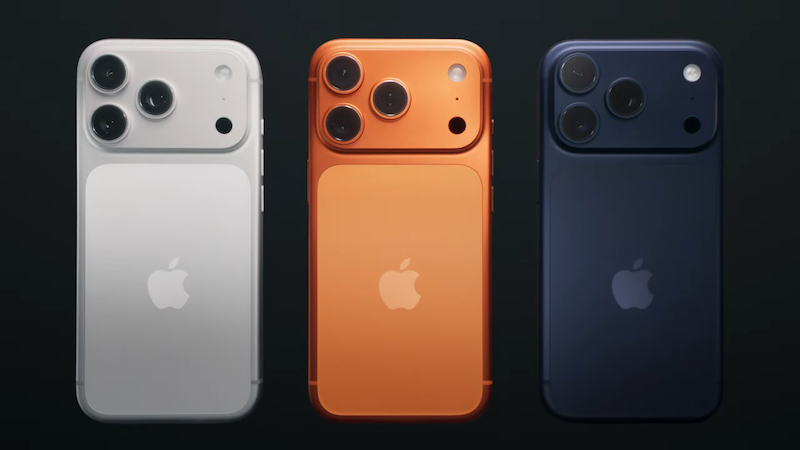
Image: Apple
The iPhone 17 Pro offers a 6.3-inch display, and the 17 Pro Max offers a 6.9-inch display. As before, both models offer displays with 120Hz display rates. The design of the phone, including buttons and the camera array, has not changed from previous generations. However, Apple has updated the material used in the phone to an aluminum unibody design with a smaller Ceramic Shield on the back instead of glass. That means the colors of the new lineup aren’t limited to polished titanium metals.
The iPhone 17 Pro models come in three colors:
- Cosmic Orange
- Deep Blue
- Silver
iPhone 17 storage
All devices in the iPhone 17 series and the iPhone Air start at 256GB storage. This is a welcome improvement for the base model iPhone 17, which retained the $799 starting price of the 128GB iPhone 16. Apple essentially doubled the storage amount for free, which is an excellent deal for people who fill their phones with photos, videos, and apps.
On the other end of the spectrum, the iPhone 17 Pro Max received a new maximum storage size of 2TB. That’s the largest allotment ever put in an iPhone, but it also comes with a premium price of $1,999.
iPhone 17 series storage
| iPhone 17 | iPhone Air | iPhone 17 Pro | iPhone 17 Pro Max | |
|---|---|---|---|---|
| Storage | 256GB 512GB |
256GB 512GB 1TB |
256GB 512GB 1TB |
256GB 512GB 1TB 2TB |
iPhone 17 cameras
The biggest story of the iPhone 17 series is the Center Stage front camera. This updated selfie camera is standard across all four new models. It comes with an 18MP lens that allows the selfie camera to easily transition between landscape and portrait-style selfies. It also uses AI to automatically ensure everyone in your selfie is in the shot, and offers improved stabilization features for recording videos and FaceTime calls.
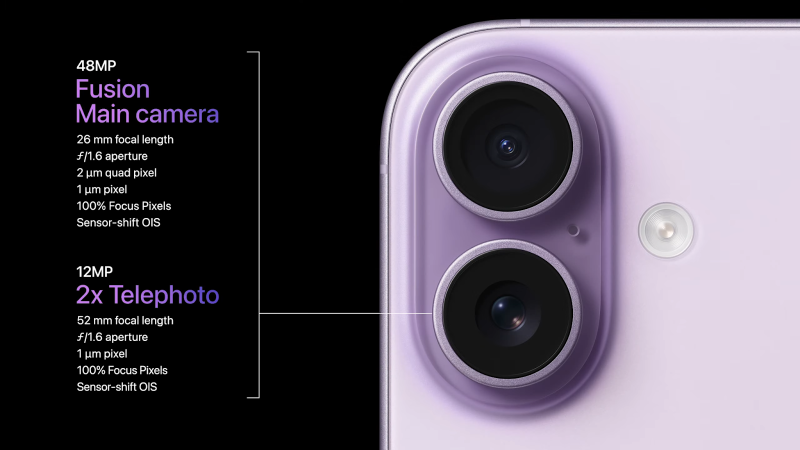
Image: Apple
Both the iPhone 17’s main camera and ultra-wide camera are 48MP Fusion cameras that offer enhanced details in your photographs. The camera array also includes a 2x optical zoom and a ƒ/1.6 aperture. This setup is the best option for most average photographers.
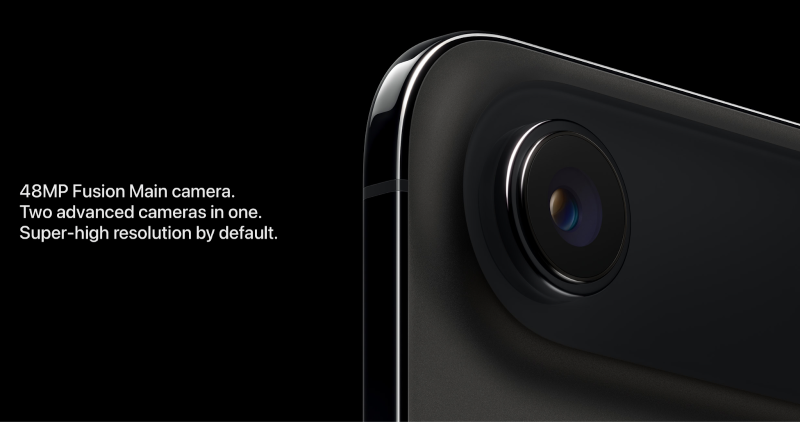
Image: Apple
The iPhone Air includes one 48MP main camera. Like the iPhone 17, it includes a 2x optical zoom and a ƒ/1.6 aperture. However, the lack of an ultra-wide lens means the iPhone Air isn’t a great choice for macro photography or spatial photos. While the “fusion” lens means that the phone can digitally act as two cameras, it’s important to note that photos from this device will still be the least detailed of any iPhone from the new series.
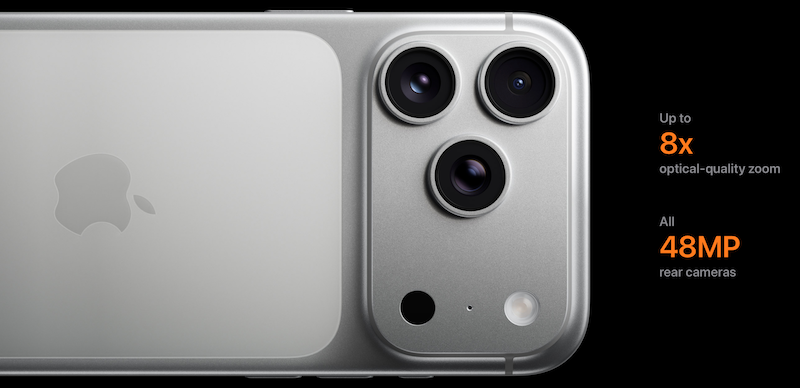
Image: Apple
The iPhone 17 Pro and Pro Max have the same camera system. All three lenses (main, telephoto, and ultra-wide) are now 48MP Fusion cameras. The camera system specs for both models look like this:
- 48MP fusion main camera, ƒ/1.6
- 48MP fusion ultra-wide, ƒ/2.2
- 48MP fusion telephoto, ƒ/2.8
This is a major upgrade and means the Pro models are excellent options for virtually any type of photography, including macro images, zooming, and low-light photography. They also include up to an 8x optical zoom and a 56% larger sensor than the iPhone 16 Pro series. Overall, the iPhone 17 Pro models are best for people who take high-quality photos and content creators.
iPhone 17 performance and processor
Apple has given all of its new devices processors from the A19 series, but only the iPhone Air and 17 Pro models have the powerful A19 Pro chip.
The iPhone 17 includes the base-level A19 processor, with a 6-core CPU and 5-core GPU. It helps run Apple Intelligence fast and provides a solid experience during everyday smartphone tasks like streaming and scrolling social media.
The iPhone Air received the A19 Pro chip with a 6-core CPU and 5-core GPU. The iPhone 17 Pro models also received the A19 Pro processor, but a slightly more advanced version with a 6-core CPU and 6-core GPU. Apple claims this is the most powerful processor ever put in a smartphone and offers 40% better performance than the A18 Pro chip of the iPhone 16 Pro series. It’s perfect for things that demand a lot of processing power from your phone, like mobile gaming or photo editing.
iPhone 17 battery life
The iPhone 17 and 17 Pro models saw battery improvements, and the iPhone Air offers a respectable battery life despite being an ultra-thin phone. Plus, Apple has created a MagSafe portable battery pack that magnetically snaps to the back of the phone to help with the iPhone Air’s shorter life.
The maximum battery life for each phone is typically measured in video playback hours.
iPhone 17 series battery life
| iPhone 17 | iPhone Air | iPhone 17 Pro | iPhone 17 Pro Max | |
|---|---|---|---|---|
| Battery capacity | Up to 30 hours video playback | Up to 27 hours video playback | Up to 33 hours video playback | Up to 39 hours video playback |
Which iPhone 17 model is right for you?
Which iPhone 17 model is right for you depends on how you use your phone. For most people, the best choice is the base-model iPhone 17. It offers a dependable camera, solid specs, and has maintained the price of last year’s iPhone 16 while doubling the storage allotment.
The iPhone 17 Pro models are best for people who need top-tier cameras, strong processing power, or large storage allotments. People like photographers, content creators, or mobile gamers will have the best experience with these phones. That said, note that the iPhone 17 Pro did receive a price increase over last year’s model.
The iPhone Air is a niche device that’s made for people who want a middle ground between the iPhone 17 and 17 Pro models. Its thin profile is the most important feature to consider. Otherwise, it has a stronger processor than the base-model iPhone 17, but the weakest camera system of any new model with its single 48MP lens.
Should I upgrade to the iPhone 17?
Most people should not upgrade to the iPhone 17. While it did receive some notable upgrades, it’s generally not that much better than the iPhone 16, which just received a $100 discount. If you need a new phone, we think most people should opt for the cheaper iPhone 16 instead, since it has almost all of the capabilities of the new iPhone 17.
Should I upgrade to the iPhone Air?
The iPhone Air is not for everyone. You should only upgrade to the iPhone Air if you want an ultra-thin device or want a slightly more powerful phone than the iPhone 17. Think of the iPhone Air as a companion to the MacBook Air. It's a thinner device with a lower price point than Pro models, but still offers more powerful capabilities than a standard laptop.
Just remember that this is the first time Apple has ever offered the iPhone Air. As a first-generation device, it will have strange quirks and troubles. One area that has most experts concerned is the device’s battery life. If you’re interested in the iPhone Air, but aren’t willing to put down $999 yet, consider waiting for next year. Apple will likely release the iPhone Air 2 with improvements across the board to address the first generation's weaknesses.
iPhone 17 deals with $0 down
iPhone 17e 256GB
- 6.1 inch display
- Rear Camera: 48MP
- Front Camera: 12MP
iPhone 17e 512GB
- 6.1 inch display
- Rear Camera: 48MP
- Front Camera: 12MP
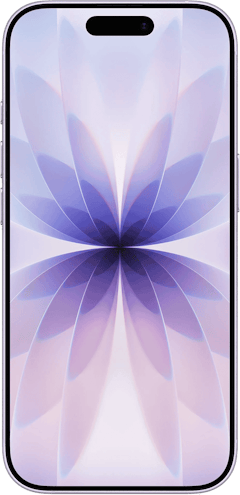
iPhone 17 256GB
- 6.3 inch display
- Rear Cameras: 48MP, 48MP
- Front Camera: 18MP
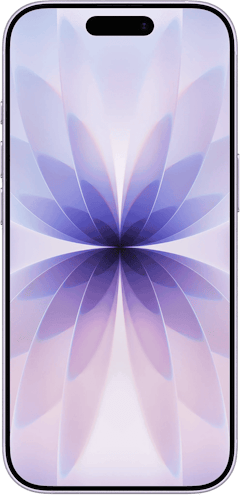
iPhone 17 512GB
- 6.3 inch display
- Rear Cameras: 48MP, 48MP
- Front Camera: 18MP
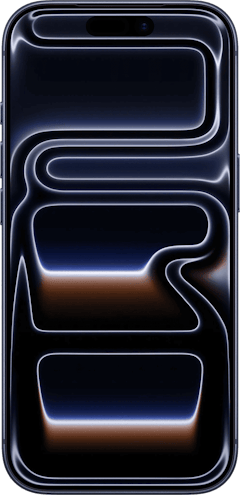
iPhone 17 Pro 256GB
- 6.3 inch display
- Rear Cameras: 48MP, 48MP, 48MP
- Front Camera: 18MP
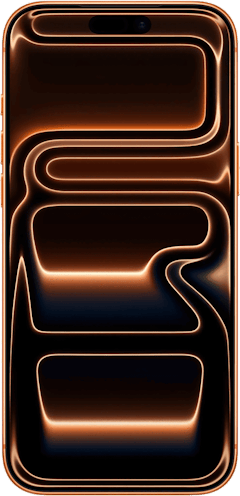
iPhone 17 Pro Max 256GB
- 6.9 inch display
- Rear Cameras: 48MP, 48MP, 48MP
- Front Camera: 18MP
iPhone 17 Pro 512GB
- 6.3 inch display
- Rear Cameras: 48MP, 48MP, 48MP
- Front Camera: 18MP
iPhone 17 Pro Max 512GB
- 6.9 inch display
- Rear Cameras: 48MP, 48MP, 48MP
- Front Camera: 18MP
iPhone 17 Pro 1TB
- 6.3 inch display
- Rear Cameras: 48MP, 48MP, 48MP
- Front Camera: 18MP
iPhone 17 Pro Max 1TB
- 6.9 inch display
- Rear Cameras: 48MP, 48MP, 48MP
- Front Camera: 18MP

Max McCaskill
Sr. Staff Writer

Find a better phone plan
Thousands of cell phone plans unpacked. All the facts. No surprises.


.png?w=280&h=280&usm=20&usmrad=0.8&fit=crop "Best Cell Phone Deals for July 2026: Get the New iPhone 17 for Free")