Every fall, the world gets its first glimpse at the newest iPhone. A typical year will see a massive Apple event where the phone is revealed, followed by a short pre-order period before it's released to the public about a week later.
Rumors about this year's iPhone 18 series point to some changes. Currently, we expect the iPhone 18 Pro models and the new iPhone Fold to come out in the fall of 2026. We don't expect the base-model iPhone 18 to come out until the following spring in 2027.
If you're looking to purchase an iPhone now, the most recent major Apple release was the iPhone 17 lineup on September 9, 2025, and it was officially released on September 19. Apple also announced the iPhone 17e on March 2, 2026.
Read on for a breakdown of the iPhone in order of release and what to expect for the newest models.
When will the next iPhone come out?
Based on Apple's previous release schedule, we expect the iPhone 18 Pro, 18 Pro Max, and iPhone Fold to come out around September 18, 2026.
iPhones are usually announced at Apple Events in September. For example, last year's iPhone 17 was released on September 19, 2025. It was announced at the "Awe dropping" event on September 9, and had a week-long preorder period. This aligned with previous iPhone releases, which typically occur each fall.
For the past decade, every iPhone announcement has come in September except for 2020's iPhone 12 series. That device was announced in mid-October due to production delays from the COVID-19 pandemic.
The iPhone 17e continued a newer release dynamic Apple has recently embraced. Apple announced the 17e on March 2, 2026, with preorders beginning March 4, and general availability starting March 11. This suggests Apple may be carving out a separate annual release window specifically for its more affordable e models. Plus, new rumors suggest the base-model iPhone 18 may be delayed to this spring window too.
There is also usually a 7- to 10-day preorder period that follows each Apple event. After that, the device is released to the public and available to purchase in person at stores and carriers.
What is the iPhone Fold?
After years of rumors, Apple appears to be finally releasing its first foldable device in 2026. The iPhone Fold will compete with Samsung's Z Fold devices as a full-sized iPhone that expands to the size of a small tablet.
Rumors suggest the device will sport a 7.8-inch display, dual-camera system, and start at $1,999, making it the most expensive iPhone ever released.
Every iPhone generation: A history of the iPhone
The very first iPhone in history was announced on January 9, 2007, and made its world debut five long months later on June 29. Since then, Apple has announced its iPhone lineup much closer to its physical shipping release.
If rumors are correct, the iPhone 18 Pro series will follow the typical Apple timeline by being announced and released in September of 2026. The iPhone 18 moving to the spring of 2027 would be a significant change. While Apple has consistently released its budget devices in the spring, it has never delayed a flagship model by that much before.
See all the iPhone models in order of release with their launch dates in the table below:
List of iPhone release dates (newest to oldest)
| iPhone | Year | New iPhones announced | Release/shipping date |
|---|---|---|---|
| iPhone 18, iPhone 18e | 2027 | March 1* | March 10* |
| iPhone Fold | 2026 | September 8* | September 18* |
| iPhone 18 Pro, 18 Pro Max | 2026 | September 8* | September 18* |
| iPhone 17e | 2026 | March 2 | March 11 |
| iPhone 17, 17 Pro, 17 Pro Max | 2025 | September 9 | September 19 |
| iPhone Air | 2025 | September 9 | September 19 |
| iPhone 16e | 2025 | February 19 | February 28 |
| iPhone 16, 16 Plus, 16 Pro, 16 Pro Max | 2024 | September 9 | September 20 |
| iPhone 15, 15 Plus, 15 Pro, 15 Pro Max | 2023 | September 12 | September 22 |
| iPhone 14, 14 Plus, 14 Pro, 14 Pro Max | 2022 | September 7 | September 16 |
| iPhone SE 3rd Gen (2022) | 2022 | March 8 | March 18 |
| iPhone 13, 13 Pro, 13 Pro Max, 13 Mini | 2021 | September 14 | September 24 |
| iPhone 12, 12 Pro, 12 Pro Max, 12 Mini | 2020 | October 13 | October 23 |
| iPhone SE 2nd Gen (2020) | 2020 | April 17 | April 24 |
| iPhone 11, 11 Pro, 11 Pro Max | 2019 | September 10 | September 20 |
| iPhone XR | 2018 | September 12 | October 26 |
| iPhone XS, XS Max | 2018 | September 12 | September 21 |
| iPhone X | 2017 | September 12 | November 3 |
| iPhone 8, 8 Plus | 2017 | September 12 | September 22 |
| iPhone 7, 7 Plus | 2016 | September 7 | September 16 |
| iPhone SE (1st Generation) | 2016 | March 21 | March 31 |
| iPhone 6s, 6s Plus | 2015 | September 9 | September 20 |
| iPhone 6, 6 Plus | 2014 | September 9 | September 20 |
| iPhone 5C, 5s | 2013 | September 10 | September 10 |
| iPhone 5 | 2012 | September 12 | September 21 |
| iPhone 4s | 2011 | October 4 | October 14 |
| iPhone 4 | 2010 | June 7 | June 21 |
| iPhone 3GS | 2009 | June 8-12 | June 19 |
| iPhone 3G | 2008 | June 9-13 | June 29 |
| iPhone | 2007 | January 9 | June 29 |
*Expected release date.
iPhone 18 models and specs
Rumors suggest major changes are coming to the iPhone 18 series lineup, including with release dates and pricing. The biggest change is the expected introduction of the iPhone Fold and the delay of the iPhone 18 itself to the spring of 2027.
We expect pricing will increase for some models in the iPhone 18 series. Specifically, the iPhone 18 is expected to increase by $100 and start at $899 to match the new pricing of the Samsung Galaxy S26. The iPhone Fold will also be incredibly expensive, starting at $1,999. The iPhone 18 Pro is not expected to get a price increase since the company just bumped prices to $1,099 with the iPhone 17 Pro. That said, tariffs, inflation, and supply chain issues have continued to deteriorate the smartphone market, so another price hike may be unavoidable.
The pricing for each iPhone 18 model is rumored to be:
- iPhone 18e: $599
- iPhone 18: $899
- iPhone 18 Pro: $1,099
- iPhone 18 Pro Max: $1,199
- iPhone Fold: $1,999
If the tariff price increases or other economic factors mean the iPhone 18 series is out of your budget, consider snagging an iPhone 16 instead—it's worth it. It's received a $100 discount since the iPhone 17 was released, and will get even cheaper once the iPhone 18 comes out. Note that since the iPhone 18 is expected to get a price hike this year to $899, it's unlikely the iPhone 17 will get a price cut at all and will remain at $799.
What features does the iPhone 18 include?
The iPhone 18 series is expected to offer improvements across the board from battery life to cameras. The iPhone 18 series will also run on iOS 27, offering Siri AI, new parental control features, and updated camera editing tools.
All the latest cell phone news and deals, delivered every Thursday.
Apple Special Event dates
Apple's Special Events are held every year (sometimes multiple times a year) to announce new products and accessories. There is typically a Worldwide Developers Conference (WWDC) in the spring to reveal the new iOS and an iPhone release event in the fall.
These dates are important to know because you'll be able to see just what the new iPhone model will have. Although the public is not invited to these events, they are always streamed live, so anyone can tune in from the comfort of their own home.
The iPhone 18 reveal event is expected to be on September 8, 2026. When an event occurs, you can typically expect Apple to unveil things like:
- New devices
- Updated features
- Pricing
- Release dates
iPhone preorder dates
The major carriers typically offer preorder sales within days of the official phone announcement in September. This is the best time to get the new iPhone as carriers like Verizon, AT&T, and T-Mobile offer special deals for early birds. We expect the iPhone 18 series will follow the same pattern as previous years and series.
The iPhone 17 preorder period started on September 12 and concluded on September 19. You can expect trade-in discounts and buy one, get one free (BOGO) deals available from the major carriers. Smaller carriers will typically offer fewer deals or delay selling the device for a few months.
Preorder periods last about a week prior to the release date of the actual iPhones. The main iPhone models (i.e., iPhone 17 and 17 Pro) are released shortly after the announcement date, while any potential spinoff versions (i.e., iPhone XR or SE) are usually made available within the following months.
Want to save money on a new iPhone? Each year, when the Preorder season begins, Apple typically discounts the previous year's iPhone series. These phones may not have the newest bells and whistles, but they do offer years of updates at a cheaper overall price.
Where to buy the newest iPhone
You have several options when it comes to buying the latest and greatest iPhone:
- Buy from a cell phone carrier (e.g., Verizon, T-Mobile, AT&T).
- Buy direct from Apple.
- Buy from retailers (e.g., Walmart, Best Buy).
There are a few benefits to buying from a cell phone carrier:
- Discounts and special deals (which Apple doesn't usually offer), especially during the pre-order period.
- All three major carriers typically offer trade-in or buy-one-get-one (BOGO) deals to make the new iPhone model even more attractive.
- Option to pay for the phone via monthly payments (with no interest) rather than buying the iPhone outright.
Once you get your iOS handset, learn how to make the most out of your iPhone in our ultimate guide to Apple phones. While the iPhone 17 series is officially out, we think most customers should consider choosing an iPhone 16 model instead. There are not many improvements between the two models, but the iPhone 16 is $100 cheaper. Check out some of the most popular iPhones below:
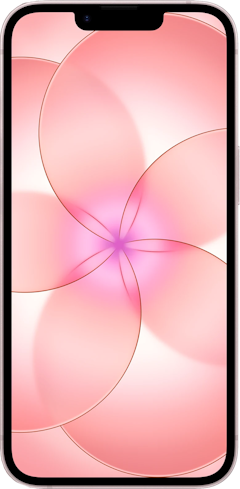
iPhone 17e 256GB
- 6.1 inch display
- Rear Camera: 48MP
- Front Camera: 12MP
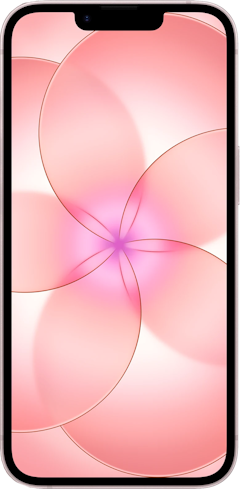
iPhone 17e 512GB
- 6.1 inch display
- Rear Camera: 48MP
- Front Camera: 12MP
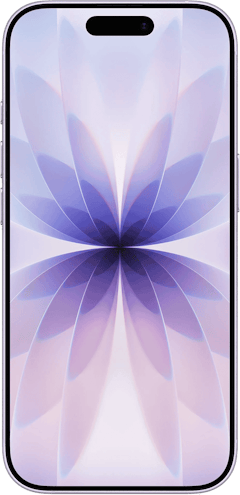
iPhone 17 256GB
- 6.3 inch display
- Rear Cameras: 48MP, 48MP
- Front Camera: 18MP
iPhone Air 256GB
- 6.5 inch display
- Rear Camera: 48MP
- Front Camera: 18MP

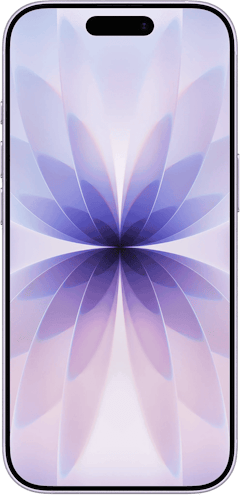
iPhone 17 512GB
- 6.3 inch display
- Rear Cameras: 48MP, 48MP
- Front Camera: 18MP

In addition to the major carriers (AT&T, T-Mobile, Verizon), you can also purchase an iPhone 17 from select MVNOs, which run on the major carrier networks.
Unlike the Samsung Galaxy models, new iPhones tend to be the same price no matter where you buy them from. The difference is if you manage to get a good deal on a monthly installment plan, such as a buy-one-get-one-free deal or a discount when you trade in your old phone.
Upgrading to the newest iPhone
If you need the latest iPhone each year, there are great upgrade programs you can take advantage of to ensure you are one of the first to get your hands on the newest model. All of these require that you buy your new iPhone in monthly installments.
AT&T Next Up
AT&T's Next Up program costs an additional $5/month and allows you to upgrade your phone for free once you've paid off at least 50% of the phone (and trade in your current phone). This will be a year and a half into your installment plan with AT&T.
T-Mobile JUMP! upgrades
If you pay for T-Mobile's JUMP! program, you will be able to upgrade to a new iPhone once you've paid off at least half of your current phone. This will usually be about a year after you bought your phone unless you signed up for 36-monthly payments.
Verizon annual upgrades
If you're a Verizon customer, you may be eligible to upgrade to a new iPhone once you've paid off at least half of your current phone. To qualify, you'll need to trade in your current phone, which must be in good working condition.
Time to move on from The Fruit?
If this year's iPhone isn't your cup of tea, there are plenty of other models to give you the bang for your buck you're looking for. Check out our picks for the best iPhone alternatives to see if these fit your fancy.
iPhone release date: FAQ
Will there be an iPhone 18?
Yes, the iPhone 18 is expected to be released on September 18, 2027.
Is there going to be an iPhone Air 2?
While it's possible the model may be discontinued, most rumors suggest Apple will release the iPhone Air 2 in the spring of 2027, along with the iPhone 18 and iPhone 18e. The fall 2026 release window will be dedicated to the iPhone 18 Pro models and Apple's new iPhone Fold.
When was the iPhone 17 released?
The iPhone 17 was released on September 29, 2025.
When will the iPhone 17 be discontinued?
The iPhone 17 still has several years of life before it is discontinued. Apple and major carriers generally keep older devices available for purchase two to three years after they're released. Smaller carriers and third-party retailers can sell them even longer. From there, iPhones generally receive around five years of iOS updates.
Max McCaskill
Sr. Staff Writer

Find a better phone plan
Thousands of cell phone plans unpacked. All the facts. No surprises.


.jpg?w=160&h=160&usm=20&usmrad=0.8&fit=crop "Where to Buy a Refurbished iPhone in 2026 (and What to Know Before You Buy)")


.png?w=280&h=280&usm=20&usmrad=0.8&fit=crop "Best Cell Phone Deals for July 2026: Get the New iPhone 17 for Free")